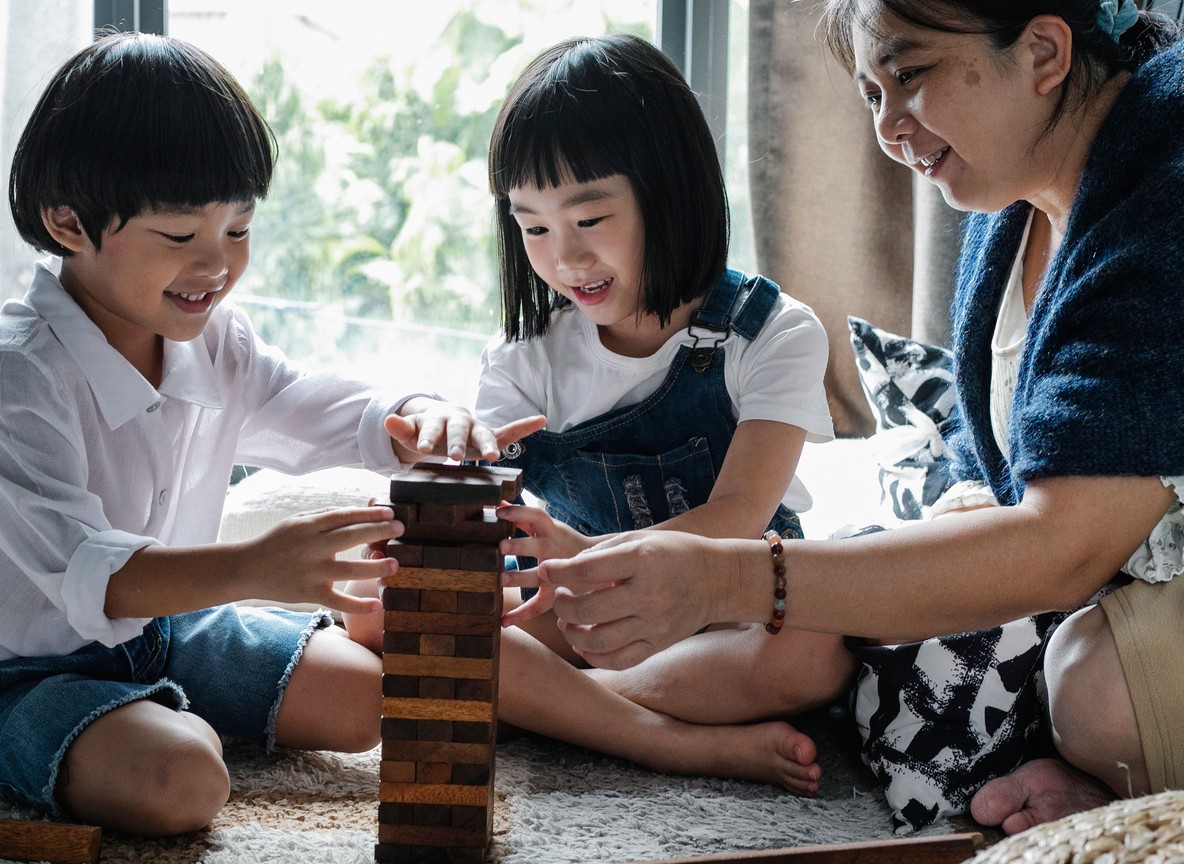
A safari with a six-year-old and a safari with a 70-year-old are two different trips. Put both travelers in the same vehicle, and the plan has to bend for each of them. This is not a niche problem. Grandparents funding or joining a family trip is one of the fastest-growing safari bookings across East Africa right now. Touring Insights breaks down how to pace the days, pick a base, and budget when your group spans three generations. Expect named camps and real numbers, not vague reassurance.
Why a Three-Generation Safari Needs a Different Plan
Standard safari itineraries assume one traveler profile: fit, flexible, happy with a 6 a.m. wake-up and a bumpy afternoon drive. Mixed-age groups break that assumption twice. Young children need nap windows, shorter drive stretches, and food they will actually eat. Grandparents may need slower transfers, fewer flight changes, and rooms reachable without stairs. The trip works when the itinerary treats both needs as fixed constraints, not preferences to negotiate around each morning.
Fewer game drives are not the fix. Shorter drives, spaced further apart, work better, especially from a base that does not require re-packing every two nights.
Picking a Base That Suits Every Age
Fewer camp changes mean less strain on grandparents and less disruption for young children who settle into a routine fast. A single-base or two-base trip, each stay four nights or longer, beats a five-camp circuit for this group. Look for family tents or interconnecting rooms, ground-floor units, and camps that run flexible drive times rather than a fixed 6 a.m. departure.
Flat, open terrain also matters more than most itineraries account for. Laikipia conservancies like Ol Pejeta sit on gently rolling savanna with short game-drive loops. The Masai Mara’s rift-associated terrain includes steeper river crossings and longer transfer roads between camps. Neither is wrong for this trip, but the choice changes how much time grandparents spend in a moving vehicle each day.
Pacing the Days: Drives, Naps, and Rest Days
Build in a rest day for every two active days once grandchildren are under eight or grandparents are past 70. A rest day means late breakfast, pool or lawn time at camp, and one short activity rather than two full drives. Most camps will happily arrange a half-day drive instead of the standard dawn-to-noon block if you ask before arrival, not after.
Split the day differently, too. An early game drive works for adults but can wreck a toddler’s schedule. Many family-oriented camps now offer a late-morning drive option that starts after breakfast instead of before sunrise. It is timed around a young child’s normal wake time rather than the animals’ peak activity window.
Health and Mobility Prep for the Older Generation
Confirm altitude and heat tolerance before booking. Nairobi sits at roughly 1,795 meters, and camps in the Aberdares or Mount Kenya foothills run higher still, which can affect travelers with heart or lung conditions. Masai Mara camps and most Laikipia conservancies sit lower, generally under 2,000 meters, and suit most grandparents without altitude concerns.
Ask every camp directly about step counts to the room, raised walkways, and whether golf-cart transfers exist across the property. A camp with 40 steps from reception to the tent looks the same as a flat one in photos. It is a different experience for a grandparent with a hip replacement. Pack any prescription medication in carry-on bags in original containers. Bring a printed list of conditions and dosages in case a camp doctor or nearby clinic needs it.
Comparing Three Kenya Bases for Multi-Generation Groups
| Base | Terrain & Drive Style | Distance/Flight From Nairobi | Mobility Fit | Entry Fee (indicative) |
|---|---|---|---|---|
| Ol Pejeta Conservancy, Laikipia | Flat savanna, short loops, flexible drive times | Approx. 200 km, 3.5-4 hr drive via Nanyuki; charter flights to Ol Pejeta airstrip | Strong for limited mobility; ground-floor cottages common | approx. USD 90-100/adult/day, child approx. half rate |
| Masai Mara National Reserve, Mara Triangle side | Rolling plains, river crossings, longer loop drives | Approx. 270 km, 5-6 hr drive via Narok; approx. 45-min flight, Wilson Airport to Ol Kiombo or Keekorok airstrip | Moderate; choose camps with flat paths and short walks to tents | USD 100/day (Jan-Jun 2026), USD 200/day (Jul-Dec 2026), Kenyan-shared reserve fee |
| Giraffe Manor grounds, Nairobi (Langata) | No game drives required; wildlife comes to the lawn | Approx. 20 km, 30-40 min drive from JKIA, no flight needed | Best for very limited mobility or a short pre-safari buffer night | Giraffe feeding/visit approx. USD 10-35 per person, separate from room rate |
Giraffe Manor works well as a gentle first or last night. It lets grandparents and young children adjust to the time zone before or after the more active bush portion of the trip. Ol Pejeta and the Masai Mara then split the rest of the itinerary depending on how much drive time the group can comfortably manage each day.
Budgeting Across Three Generations
Three generations usually means at least two rooms, sometimes three, plus a family tent for parents and young children. Confirm each camp’s child policy directly. Many require children under six to book a private vehicle for game drives. That adds cost but avoids asking a toddler to sit still for four hours next to strangers.
| Cost Line | Indicative Range |
|---|---|
| Camp rate, per person per night, mid-range family camp | approx. USD 350-700, seasonal |
| Private vehicle supplement (camps requiring it for under-6s) | approx. USD 150-300/day |
| Conservancy or park fee, per person per day | see comparison table above |
| Domestic flight, Nairobi to Mara airstrip, one way | approx. USD 150-250/adult, child rates vary by carrier |
| Airport meet-and-greet / wheelchair assistance, JKIA | typically complimentary on request, confirm with airline |
Never assume child rates apply automatically. Confirm the cutoff age directly with each camp, since it ranges from under 2 to under 12 depending on the property.
Explorer Notes
Ask every camp for its actual step count to guest tents, not just a mobility rating on a booking site. Photos rarely show the raised walkways that connect tents to the mess area. Request a golf cart or ranger escort for grandparents after dark, even at camps that call themselves flat. Uneven ground is harder to judge under lantern light. Pack a printed medication list and copies of any relevant prescriptions. Rural clinics near Ol Pejeta and the Mara move faster with paper in hand than with a phone screen. Book connecting or adjacent tents at reservation time, not on arrival, because family units sell out first at peak season.
What to Read Next
- Comparing a private conservancy against a national park for pacing and cost? See how Ol Pejeta and the Masai Mara stack up above.
- Planning the flight versus drive question for grandparents with limited mobility? The Wilson Airport to Mara airstrip options matter more than most itineraries admit.
- Building a Nairobi buffer night before the bush portion of the trip? Giraffe Manor’s grounds work as a gentle first stop for a mixed-age group.
FAQ
What is the best pace for a multi-generation Kenya safari? One rest day for every two active days works well once grandchildren are under eight or grandparents are past 70. Choose camps offering half-day or late-morning drives instead of a fixed dawn departure.
Which Kenya safari areas suit limited mobility best? Laikipia conservancies like Ol Pejeta run flat, short game-drive loops. The Masai Mara works too, but choose a camp with ground-floor tents and flat paths rather than raised walkways with many steps.
Do children need their own safari vehicle? Many camps require a private vehicle for children under six, at an added daily cost, rather than placing them in a shared game-drive vehicle with other guests.
Is altitude a concern for grandparents on a Kenya safari? Nairobi sits around 1,795 meters. Aberdares and Mount Kenya foothill camps run higher. Masai Mara and most Laikipia camps sit lower, generally under 2,000 meters, and suit most travelers without altitude concerns. Confirm with a doctor if a heart or lung condition is involved.
How many camps should a three-generation trip include? Two bases, each for four nights or more, generally work better than a multi-camp circuit. Fewer changes mean less repacking and transfer time for both young children and grandparents.
Planning three generations into one trip takes more coordination than a standard couples safari. The payoff, a grandparent watching a grandchild see an elephant for the first time, is worth the extra planning call. Check the Tour Packages page for family-configured itineraries. Or ask a partner operator to confirm current step counts and private-vehicle policies at your shortlisted camps before booking.